
Easy to Follow: 4
Family Friendly: 1
Must see: 4
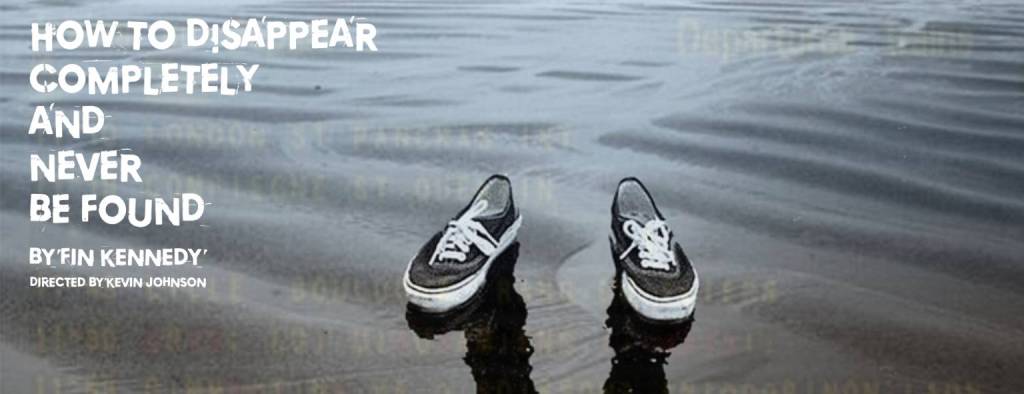
Title: ‘How to disappear complete and never be found’
Venue: The Drum, Theatre Royal
Date: 8th & 9th May 2024
In the ethereal world of theatre, where reality bends and imagination takes flight, ‘How to disappear completely and never be found’ by Fin Kennedy emerges as a thought provoking exploration of identity and the existential, relentless and all-consuming quest for meaning. In a world consumed by the unyielding pursuit of success and persistent pressure to conform, this plays delves deep into the complexities of self discovery and explores the haunting desire to escape one’s own existence. The timeless questions of morality explored in this play were expertly portrayed by a strong ensemble cast who collectively invited the audience to confront the ageless questions of who we are and where we belong in the world.
This production by the University of Plymouth’s third year acting students, took us on journey that unraveled the enigmatic tapestry of existence, taking the audience on a trip through the corridors of the human psyche in this mesmerising, comedic and harrowing theatrical odyssey. With seamless coordination and palpable energy, this strong ensemble cast operated as a cohesive unit, breathing life into the play with innovative physical performance and passion. They successfully created a rich tapestry of characters, with cast members playing several characters with distinction and ease. The collective commitment to storytelling and clear understanding of the themes was evident with every gesture, interaction and delivered line, resulting in a performance that was as powerful as it was harrowing. Whether playing supporting roles or embodying the central protagonists inner demons, the ensemble remained fully engaged and invested throughout, enriching the theatrical experience with their depth and versatility. Together they forged a bond that transcends the boundaries of individual performances and expertly demonstrates the power ensemble performance can bring to theatre.
Several members of the ensemble stood out: Jacob Thomas, Megan Whitehead, Hannah Marina (whose hilarious portrayal of Mike often had the audience in stitches), Lennon Hickey, Ellie Sibley and Harry Denison-Smith all demonstrated deep commitment to character while portraying multiple roles with ease and finesse. The physical aspects of the performance were visually stunning with the cast navigating lifts and close knit physicality with such ease and grace that I couldn’t help but want more moments like this throughout the production. These glimpses of physicality left me craving a deeper exploration of movement as a means of storytelling. Incorporating more of these visually stunning elements would have further enhanced the narrative, adding more depth to the characters journey. Nevertheless, the moments of physicality that were present were executed with skill and precision serving as poignant reminders of the power of the body in conveying emotion and narrative.
Likewise there were strong performances from the principle cast. Beth King portrayed Sophie with charm, nuance and depth, effortlessly balancing vulnerability with resilience, making her character a beacon of hope amongst the existential turmoil of the play. In masterful displays of acting prowess, Charlie (portrayed by both Jay Greaves and Logan Chandler) is brought to life with subtle yet distinctive differences in both performance style and characterisation.
Jay Greaves’ portrayal exudes a quiet intensity that builds throughout the play with a depth of emotion simmering just beneath the surface. His portrayal of Charlie embodies a sense of introspection and quiet resolve that was as captivating as it was poignant, in a clever mix of the subtle yet profound. Greaves skilfully built up the layers of intensity as the narrative progressed capturing the profound sadness experienced by Charlie with haunting authenticity. Greaves’ Charlie is a relentless exploration of anguish with little reprieve from the struggle for identity and meaning.
On the other hand, Logan Chandler’s portrayal of Charlie was a desperate fervour that electrified the stage with his presence. Logan’s performance was marked by a visceral intensity that resonated throughout the narrative. His performance was a testament to his versatile talent as he expertly infused comedy into a character that is otherwise sad and desperate, bringing relief to the audience with moments of lightness and humour. By doing so, Logan created a layered, engaging and emotional connection to the character which captured the existential angst with raw authenticity and humour. Between them, Greaves and Chandler portrayed dynamic and complex versions of Charlie, each bringing their own unique style to the performance with individual nuances and interpretations. Their distinct approaches not only highlight the multifaceted nature of the character but also contribute greatly to the overall production, ensuring each moment on stage resonates with intensity, authenticity and emotional depth.
The set design served as a visual metaphor for the clinical detachment and existential dissonance experience by the characters. The use of plastic sheeting as a backdrop for projections was particularly innovative, allowing the images to appear disjointed and chaotic, mirroring the emotional state of Charlie throughout and evoking a cold, clinical environment, alienating the space. The cast were often seen behind the sheets, lit by bright lights to create eerie and fragmented images, again reflecting the disjointed nature of the protagonist’s psyche. Wooden frames and other movable set pieces were also used effectively, becoming dynamic and interactive elements that were as much a part of the action as the cast themselves. They were seamlessly integrated into the play, blurring the lines between set design and performance and metaphorically amplifying the the themes of identity and self reflection. The frames became integral in the storytelling, almost becoming a character in their own right, as well standing as a silent witness to the action, both shaping and reflecting the journey.
The lighting and sound design were equally rich and interesting, converging together to create an atmosphere that was progressively teeming with anxiety, clinical precision and frantic energy. The lighting scheme was characterised by a juxtaposition between stark contrasts and harsh sterile tones, to bright and energetic sequences. Intermittent bursts of light puncture the darkness, echoing the chaotic nature of the crisis playing out on stage. The use of sound amplified the growing tensions, with jarring noises, music and sound effects that evoked a sense of unease and urgency. Together these elements immersed the audience in a visceral experience, heightening the emotional intensity of the narrative, capturing the relentless pace of contemporary life and serving as a dynamic force. The soundscapes rise and fall in tandem with the protagonists emotional tumult, matching pace and tension that mirrored the action on stage. I particularly enjoyed the attention to detail in the individual lights attached to the set itself. The lights around the frames and those attached to the trolly were intricate yet subtle and furthered the eerie and fragmented atmosphere.
‘How to disappear completely and never be found’ is a strong production demonstrating the power of physicality and ensemble performance as a means of storytelling. Every aspect of this production comes together to create a visually and emotionally stimulating performance that resonates with audiences and poses timeless questions of the self. In this intricate tapestry of theatre, both the ensemble’s performance and standout performances of the principle cast shine as a beacon of theatrical brilliance, weaving together a captivating narrative, visually stunning physicality and a dynamic and evocative set and lighting design. This group’s unwavering commitment to storytelling and characterisation transports the audience on a journey of introspection and revelation, leaving an indelible mark on the soul and commanding the audience to ponder: “Do you ever feel everything is sorta fake?” In a symphony of vanishing acts and remerging truths, this production whispers a powerful reminder: that the art of disappearing lies in the essence of profound discovery.
Review by Ami Philpott
Gifted / This theatre review was written following a gifted ticket to the performance. However, all opinions and views expressed in this review are entirely that of the reviewer and the review has not been influenced in any way by the provision of the ticket. Our commitment remains to provide an honest and unbiased assessment of the experience.
 Plymouth Theatre Review
Leave a comment